The Psychology Of Color In High-End Interior Design: Understanding The Impact Of Color On Luxury Spaces
 Ruby Aileen
The Psychology of Color in High-End Interior Design sets the stage for exploring how color choices can transform the ambiance of upscale interiors, delving into the fascinating realm of color psychology and its effects on mood and perception.
Color theory, popular trends, and the strategic use of color psychology will be dissected to unveil the secrets behind creating visually stunning and emotionally captivating high-end interior spaces.
Importance of Color in High-End Interior Design
Color plays a crucial role in high-end interior design, significantly impacting the overall aesthetic and ambiance of a space. The right color scheme can elevate a luxury interior, creating a sense of sophistication and elegance.
Psychological Effects of Different Colors in Interior Spaces
Each color has its own psychological effects on individuals within a space. Here are some examples of how different colors can influence mood and perception in luxury interiors:
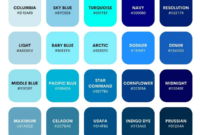
- Blue: Known for its calming and serene qualities, blue is often used in high-end interiors to create a sense of tranquility and relaxation. It can evoke feelings of peace and stability.
- Red: A bold and powerful color, red can stimulate energy and passion in a room. It is often used sparingly in luxury interiors to add a touch of drama and intensity.
- Green: Symbolizing growth and renewal, green can bring a sense of harmony and balance to a space. It is often associated with nature and can create a refreshing atmosphere in high-end interiors.
- Yellow: Bright and cheerful, yellow can add warmth and positivity to a room. It is often used in luxury interiors to create a welcoming and uplifting environment.
- Neutral Colors: Shades like white, beige, and gray are commonly used in high-end interiors to create a sense of sophistication and timelessness. They serve as a versatile backdrop for other bolder colors to shine.
Color Theory in High-End Interior Design
Color theory forms the foundation of creating visually stunning and harmonious spaces in high-end interior design. Understanding how colors interact and influence each other is crucial in achieving the desired aesthetic appeal.
Basics of Color Theory
Color theory is based on the color wheel, which consists of primary, secondary, and tertiary colors. In luxury interior design, designers often use the principles of color theory to create a cohesive and balanced color scheme. By understanding concepts such as hue, saturation, and brightness, designers can manipulate the visual impact of colors in a space.
Color Harmonies in Luxury Interior Design
Color harmonies refer to the combinations of colors that are aesthetically pleasing to the eye. In high-end interior design, designers often utilize color harmonies such as complementary, analogous, and triadic schemes to create a sense of balance and unity in a space. By carefully selecting colors that work well together, designers can evoke specific emotions and set the tone for a room.
Significance of Color Palettes and Combinations
Color palettes play a key role in high-end interior design projects as they set the overall mood and atmosphere of a space. Designers carefully choose color combinations to reflect the style and personality of their clients while also considering factors like natural light, room size, and function. The right color palette can elevate a space from ordinary to extraordinary, making it a true reflection of luxury and sophistication.
Popular Color Choices in High-End Interior Design
When it comes to high-end interior design, color choices play a crucial role in setting the tone and atmosphere of a space. Let's explore the trending colors in luxury interior design and their psychological implications.
Trending Colors in Luxury Interior Design
In high-end interior design, trending colors often include rich jewel tones like emerald green, sapphire blue, and amethyst purple. These colors evoke a sense of opulence and sophistication, creating a luxurious feel in the space. Neutral tones like soft greys and warm beiges are also popular choices, providing a timeless and elegant look to high-end interiors.
Psychological Implications of Color Choices
Bold colors like red and gold are often associated with energy, passion, and wealth, making them ideal for creating a sense of drama in luxury interiors. On the other hand, neutral colors like white and taupe can promote a sense of calm and serenity, perfect for creating a tranquil environment in high-end spaces.
Use of Bold vs. Neutral Colors
The use of bold colors in high-end interior design can make a statement and add personality to a space, while neutral colors provide a versatile backdrop that allows furniture and décor to stand out. It's essential to strike a balance between bold and neutral colors to create a harmonious and visually appealing design.
Cultural Perceptions of Color in Luxury Design
Different cultures perceive colors differently, influencing their preferences in luxury design settings. For example, red is considered a lucky color in Chinese culture, often used in high-end interiors to symbolize prosperity and happiness. Understanding cultural perceptions of color is essential when designing luxury spaces to cater to a diverse clientele.
Use of Color Psychology in High-End Interior Design
Color psychology plays a crucial role in high-end interior design, as designers leverage the impact of color to create specific atmospheres and evoke emotions in luxury spaces. By strategically selecting colors based on psychological principles, designers can enhance the overall ambiance and appeal of a room.
Leveraging Color Psychology for Atmosphere Creation
Designers use color psychology to influence the mood and atmosphere of a space. For example, warm colors like red and orange can create a sense of intimacy and coziness, perfect for a luxurious bedroom or living room. In contrast, cool colors like blue and green evoke feelings of calmness and serenity, ideal for a spa-like bathroom or a peaceful retreat.
Incorporating Color Psychology in Furnishings and Decor
Color psychology is also integrated into the selection of furnishings and decor in high-end interiors. Designers carefully choose pieces that complement the color scheme of the room and align with the desired emotional response. For instance, vibrant accent pieces in bold colors can inject energy and personality into a space, while soft pastel hues in textiles and artwork create a sense of tranquility and sophistication.
Enhancing Psychological Impact with Lighting
Lighting plays a crucial role in enhancing the psychological impact of color in high-end interiors. Designers utilize different lighting techniques to highlight specific colors, create depth and dimension, and set the mood within a room. For example, warm lighting can intensify the richness of deep, saturated hues, while cool lighting can enhance the calming effect of lighter tones.
Closing Summary
In conclusion, The Psychology of Color in High-End Interior Design showcases the powerful influence of color in shaping luxurious environments, offering a glimpse into the intricate world of design where every hue tells a unique story.