High-Efficiency Eco-Friendly Roofing & Attic Insulation: Lowering Energy Bills and Maximizing Tax Credits
 Ruby Aileen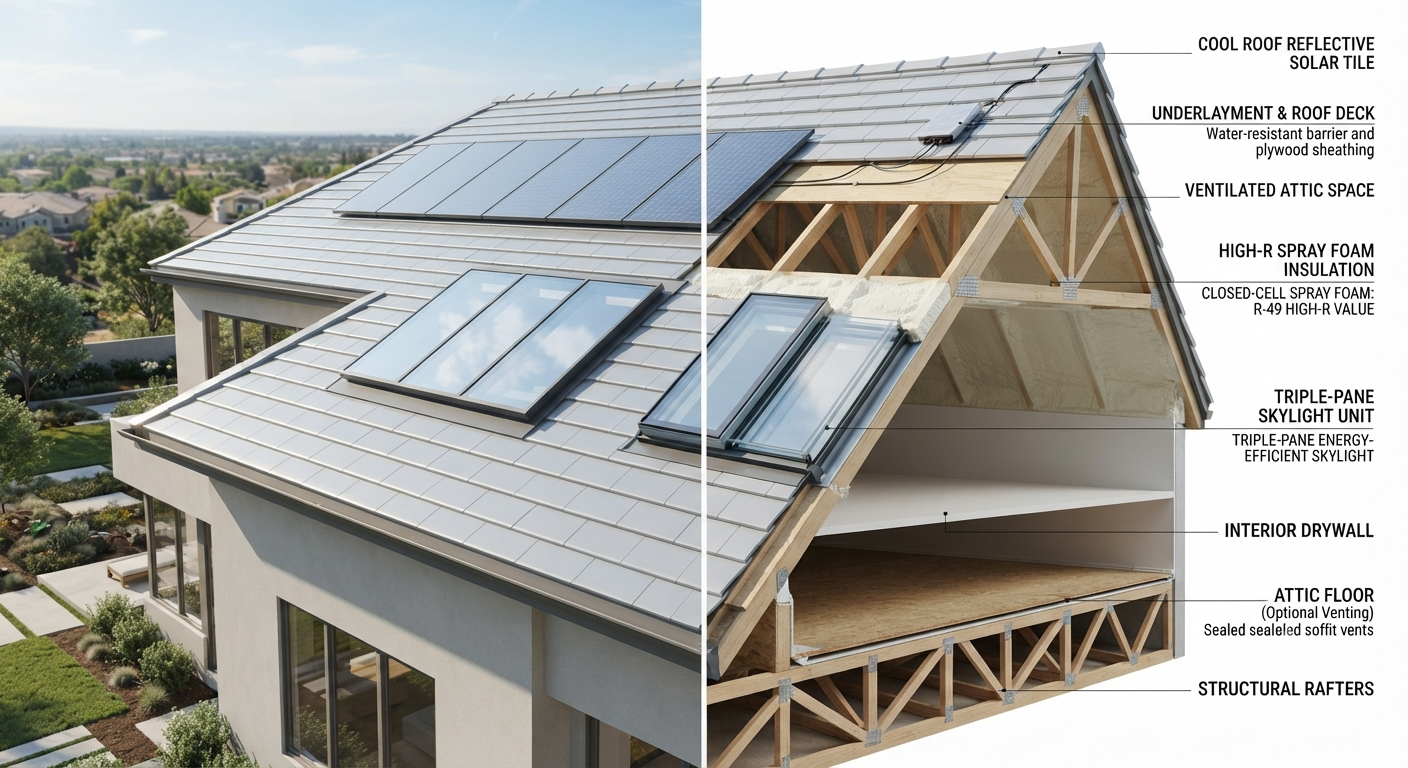
When homeowners evaluate energy efficiency, windows and HVAC systems often receive the most attention. However, the home's roof and attic assembly represent the primary barrier against heat transfer. In fact, an inadequately insulated attic or dark, heat-absorbing roof can account for up to 40% of a home's seasonal energy loss. Investing in advanced eco-friendly roofing materials and high-performance attic insulation is one of the most effective ways to lower annual utility expenses, extend HVAC lifespan, and significantly increase residential property equity.
The Science of Cool Roofs and Radiant Barriers
Traditional asphalt shingles absorb massive amounts of solar radiation, transferring extreme heat directly into the attic space during summer months. Modern sustainable roofing addresses this through material science:
-
Cool Roof Technology: Cool roofs utilize highly reflective tiles, metal panels, or specialized reflective membranes designed to bounce back solar radiation rather than absorb it. This can keep roof surface temperatures up to 50°F cooler compared to traditional materials.
-
Integrated Solar Roof Shingles: For homeowners seeking a seamless aesthetic, building-integrated photovoltaics (BIPV)—such as solar roof tiles—replace standard shingles entirely, generating clean energy while serving as durable, weather-resistant roofing.
-
Radiant Barriers: Installed beneath the roof rafters, radiant barrier foils reflect industrial radiant heat away from the attic, drastically reducing cooling loads during peak summer heatwaves.
High-Performance Insulation Materials & R-Value Optimization
Insulation performance is measured in R-Value—a metric indicating a material's resistance to heat flow. Achieving optimal thermal resistance requires choosing non-toxic, eco-friendly insulating materials:
-
Spray Foam Insulation (Closed-Cell): Provides both superior thermal insulation (up to R-7 per inch) and an airtight seal, eliminating micro-gaps where conditioned air leaks out.
-
Cellulose Insulation: Made from up to 85% recycled paper treated with non-toxic borate for fire resistance, cellulose offers high thermal performance with a near-zero carbon footprint.
-
Mineral Wool (Roxul): Derived from natural stone and recycled slag, mineral wool provides exceptional fire resistance, acoustic dampening, and moisture repellency alongside high thermal efficiency.
Tax Credits, Rebates, and ROI Analysis
The financial payback of an eco-friendly roof and re-insulation project is driven by both immediate operational savings and substantial government incentives:
-
Energy Cost Reduction: Comprehensive attic sealing and high-R insulation typically reduce heating and cooling costs by 15% to 30% immediately.
-
Federal Green Tax Incentives: Government energy-efficiency programs allow homeowners to claim substantial tax credits (such as IRA credits in the US or regional equivalent grants) covering a high percentage of insulation and energy-efficient roofing installation costs.
-
Extended HVAC Lifespan: By maintaining a stable indoor thermal envelope, your HVAC system cycles less frequently, reducing wear and tear and delaying costly equipment replacements.