Installing Level 2 EV Home Chargers: Electrical Upgrades, Incentive Rebates, and Home Value ROI
 Ruby Aileen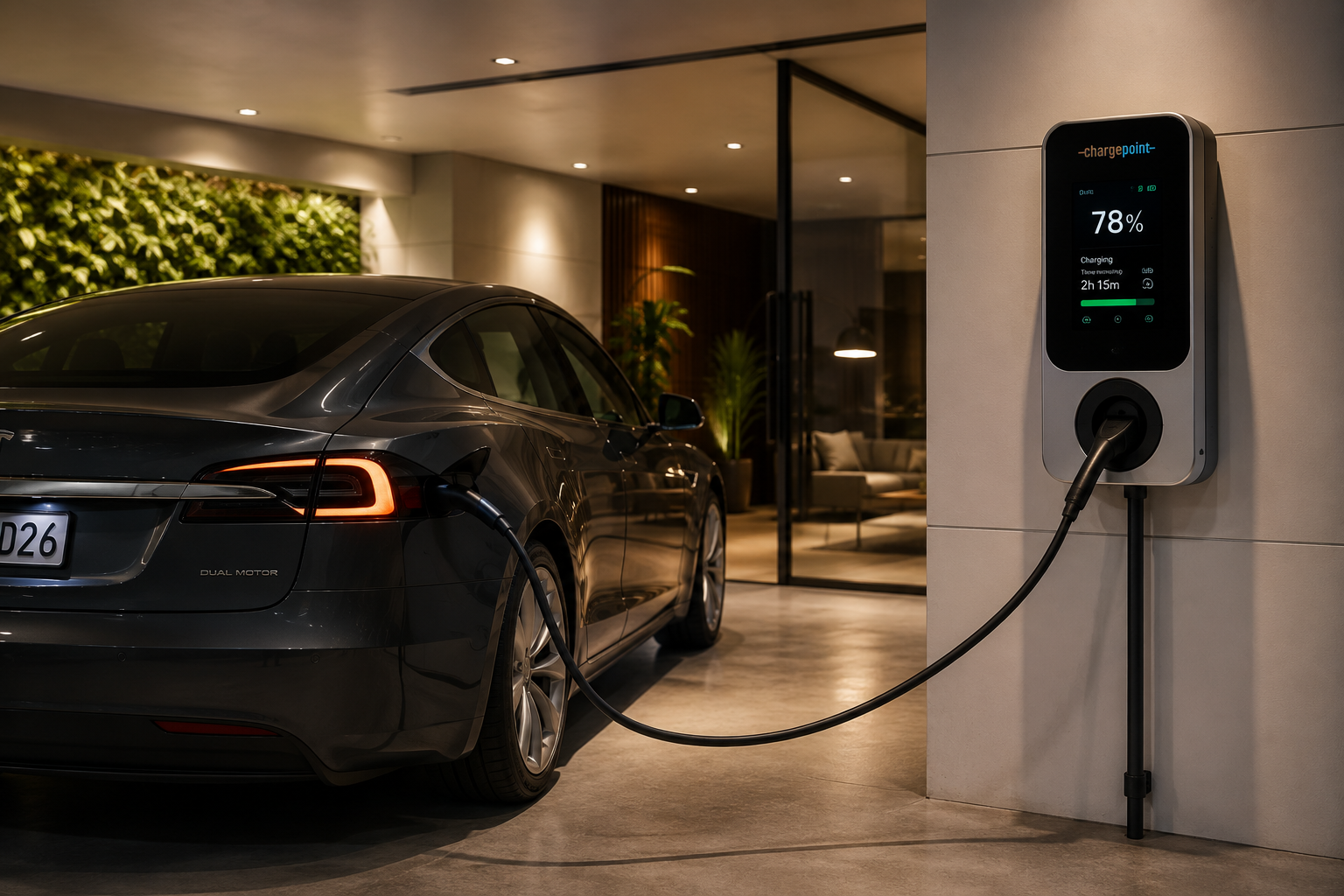
The rapid transition toward electric mobility has shifted how homeowners view energy infrastructure. As major automakers commit fully to electric vehicle (EV) fleets, owning an EV is no longer just about reducing tailpipe emissions—it is about integrating personal transportation into the residential energy ecosystem. For EV owners, relying on standard Level 1 wall outlets (120-volt) quickly reveals limitations, often taking over 24 hours to fully replenish a battery. Upgrading to a dedicated Level 2 home charging system (240-volt) has emerged as one of the most practical and high-value sustainable home improvements available today.
Understanding the Electrical Infrastructure Requirements
Installing a Level 2 EV charger requires careful consideration of your home's current electrical service panel. Unlike standard household electronics, a Level 2 station draws continuous heavy loads—typically between 32 to 48 amps—demanding a dedicated 40 to 60-amp circuit breaker.
-
Electrical Panel Upgrades: Older homes equipped with 100-amp main service panels often require an upgrade to a 200-amp panel to safely accommodate the charging unit Alongside existing HVAC and kitchen appliance loads.
-
Smart EV Chargers (EVSE): Modern chargers—such as the ChargePoint Home Flex, Tesla Wall Connector, or JuiceBox—connect to home Wi-Fi networks. They allow users to monitor charge rates, schedule charging sessions, and optimize power delivery automatically.
-
Hardwired vs. Plug-In Installations: Hardwired units generally allow for higher amperage (faster charging) and outdoor installation resilience, whereas NEMA 14-50 plug-in units offer portability and easier replacement down the line.
Maximizing Financial Incentives and Rebates
While the upfront cost of purchasing a Level 2 charger and hiring a licensed electrician can range between $1,000 and $3,000, public and private financial incentives heavily offset these expenses:
-
Federal & Regional Tax Credits: In many jurisdictions, government programs cover up to 30% of the equipment and installation costs through green energy tax credits.
-
Utility Provider Rebates: Local electric companies frequently offer cash-back rebates for installing smart chargers, along with Time-of-Use (TOU) rate discounts.
-
Off-Peak Charging Savings: By utilizing smart charger scheduling to charge exclusively between midnight and 6:00 AM, homeowners can lower their cost-per-mile drastically compared to traditional gasoline or peak-hour grid rates.
Integrating EV Charging with Solar and Battery Systems
The ultimate expression of sustainable home living is pairing a Level 2 EV charger with an existing residential solar panel system. Advanced home energy software now allows "Solar-Only" charging mode—diverting excess daytime solar generation straight into the vehicle's battery pack rather than sending it back to the grid. This effectively creates a self-sustaining transportation cycle powered entirely by clean, zero-cost solar energy.
Impact on Property Resale Value
Real estate trends indicate that pre-installed EV charging infrastructure is becoming a key differentiator in buyer decisions. Prospective buyers searching for modern, future-proof homes view a high-speed EV charger as an essential feature rather than a luxury accessory. Consequently, properties equipped with Level 2 charging stations sell faster and maintain higher equity retention in competitive markets.