Hybrid Heat Pump Water Heaters: Electricity Savings, Installation Costs, and Energy Rebates
 Ruby Aileen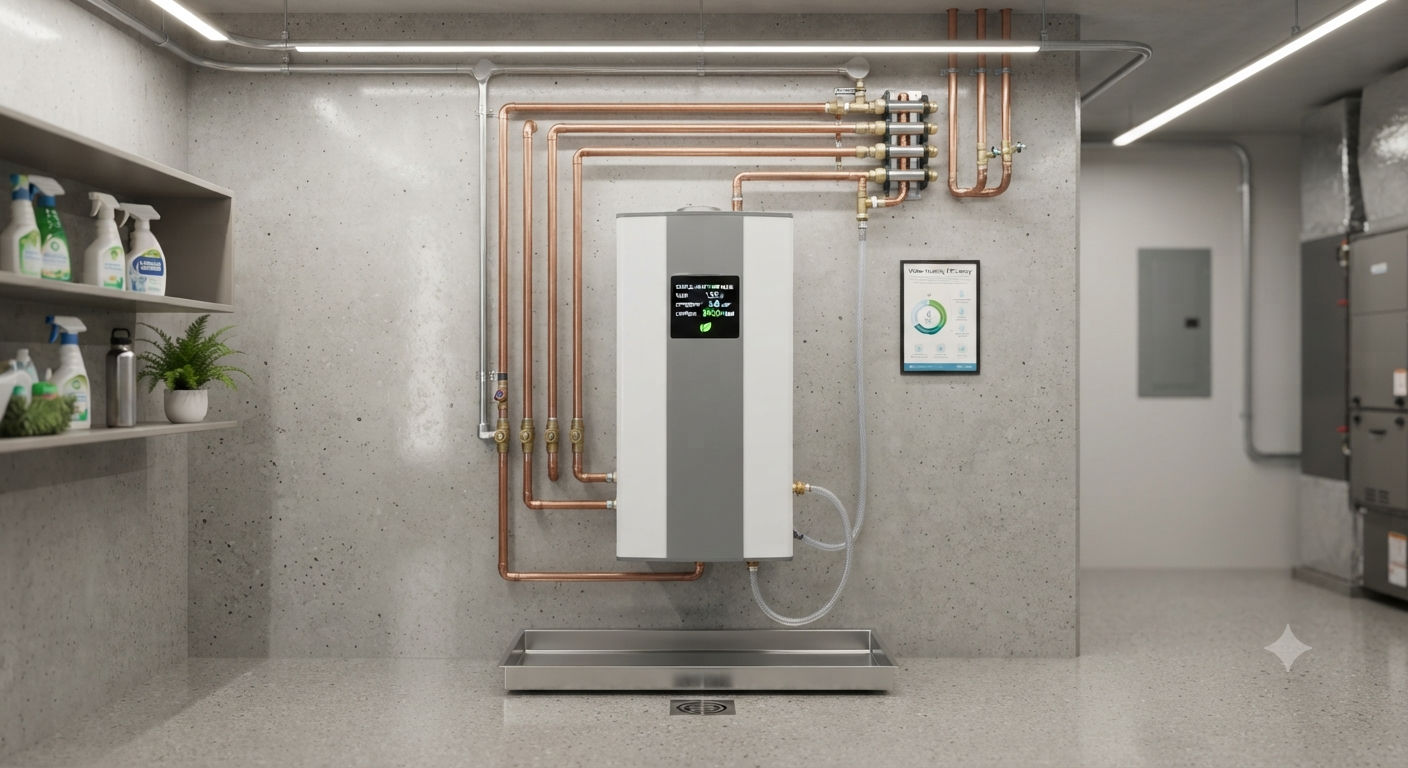
Water heating is quietly the second-largest energy expense in the average home, accounting for roughly 18% of total utility bills. Traditional tank water heaters continuously burn natural gas or draw massive electrical loads to keep gallons of water scorching hot 24 hours a day. Upgrading to a Hybrid Heat Pump Water Heater (HPWH) represents a massive leap in energy efficiency, allowing homeowners to slash water heating costs by up to 70% while transitioning away from fossil fuel reliance.
How Hybrid Heat Pump Technology Works
Unlike standard electric resistance water heaters that generate heat directly using high-wattage heating elements, a heat pump water heater operates like a refrigerator in reverse. Instead of pushing heat out, it absorbs heat from the surrounding air and transfers it into the water tank.
-
Advanced Heat Transfer Mechanics: By moving existing heat rather than creating it from scratch, heat pumps operate at an astounding efficiency rate—often achieving a Uniform Energy Factor (UEF) of 3.5 to 4.0, compared to 0.9 for standard electric units.
-
Hybrid Operational Modes: Hybrid units feature multiple operational settings (Heat Pump Mode, Hybrid Mode, and High Demand Mode). During periods of extreme hot water usage, the system temporarily engages electric resistance elements to ensure continuous supply before switching back to ultra-efficient heat pump mode.
-
Dehumidification Bonus: As a natural byproduct of drawing ambient heat from the air, heat pump water heaters dehumidify and cool the basement or utility room where they are installed, preventing mold growth and improving indoor air quality.
Financial ROI and Government Incentive Rebates
While the initial purchase price of a hybrid heat pump water heater ($1,200 to $2,500) is higher than a conventional unit, the return on investment is exceptionally fast:
-
Immediate Monthly Savings: The average household saves between $300 and $500 per year on electricity bills alone, meaning the unit pays for itself within 3 to 4 years.
-
Upfront Incentive Rebates: Due to aggressive decarbonization policies globally, local power utilities and federal tax programs often offer rebates ranging from $500 to over $1,500 for qualifying heat pump water heater installations, slashing upfront costs dramatically.
-
Longer Equipment Service Life: Quality hybrid water heaters typically feature a service life of 12 to 15 years—significantly longer than standard 8-to-10-year traditional tanks.
Key Installation Considerations
To maximize performance, a heat pump water heater requires appropriate physical space and airflow. Because the unit extracts ambient heat, it requires a minimum of 700 to 1,000 cubic feet of unconfined space (such as a basement, garage, or large utility room). If installed in a small closet, louvered doors or simple ducting are necessary to maintain proper airflow.
Conclusion
Upgrading to a hybrid heat pump water heater is one of the highest-ROI green home retrofits available. It delivers immediate, predictable utility reductions, leverages lucrative green rebates, and helps future-proof your home against rising energy tariffs.